
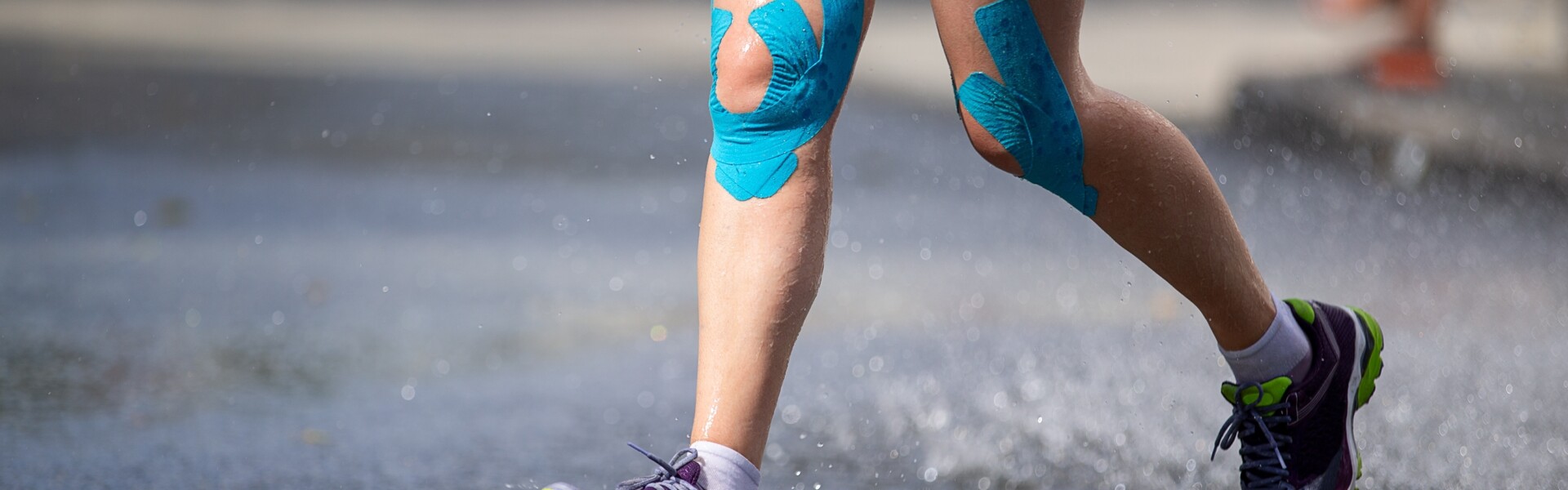
Runner's Knee (Patellofemoral Pain) Treatment in Haywards Heath
Pain around or behind the kneecap when you run, take the stairs or sit too long is usually patellofemoral pain – “runner’s knee.” It rarely means damage, and it responds very well to the right rehab.
ASSESSMENT | DIAGNOSIS | TREATMENT | RESULTS
Does this sound familiar?
- “Pain around or behind my kneecap when I run – especially downhill”
- “Stairs hurt, squats hurt, and long sits stiffen it up”
- “It started when I upped my mileage or started a new plan”
- “I’ve rested it, it feels better, then it comes straight back when I run”
Why rest alone doesn't fix it
Runner’s knee is usually a load problem: the demand on the knee has outstripped what it’s currently conditioned for – often after a jump in mileage, hills or intensity, and often with a strength or movement contribution from the hip. Rest settles symptoms but doesn’t change any of that, which is why the pain returns. Rehab does change it.
How we treat it
- Full assessment of your knee, hip strength and movement – and your training history, because the “why” usually lives there
- A progressive strength programme for the knee and hip
- Load management, not shutdown – most runners keep running at a modified level while they rehab
- Running re-education where technique is contributing
- A graded return to your normal mileage, hills and speedwork
Why runners choose The Health Hub
- A running-injury specialist physio who works in elite sport and runs himself
- Honest, keep-you-running-where-possible philosophy
- Sports massage on-site
- Rated 5★ on Google from 250+ patients – including plenty of local runners
→Book your knee assessment, or call 01444 817851
Runner's knee treatment near you
We treat patients from:
If you’re searching for:
- “Runner’s knee treatment & rehab near me”
- “Physio for runner’s knee in Haywards Heath”
You’re in the right place.
Frequently Asked Questions
- Should I stop running completely?
-
Usually not. We typically adjust distance, frequency, hills or speed rather than stopping – staying active within tolerable levels tends to speed recovery.
- Is the pain damaging my knee?
-
Patellofemoral pain is generally not associated with structural damage. Painful doesn’t mean harmful, but it does mean the load needs managing.
- How long until I'm back to normal running?
-
Most runners are back to normal training within 6-12 weeks, depending on how long it’s been going on and how much strength needs building.
- Do insoles or knee straps help?
-
Sometimes, as a short-term aid. They work best alongside strength work, not instead of it.