
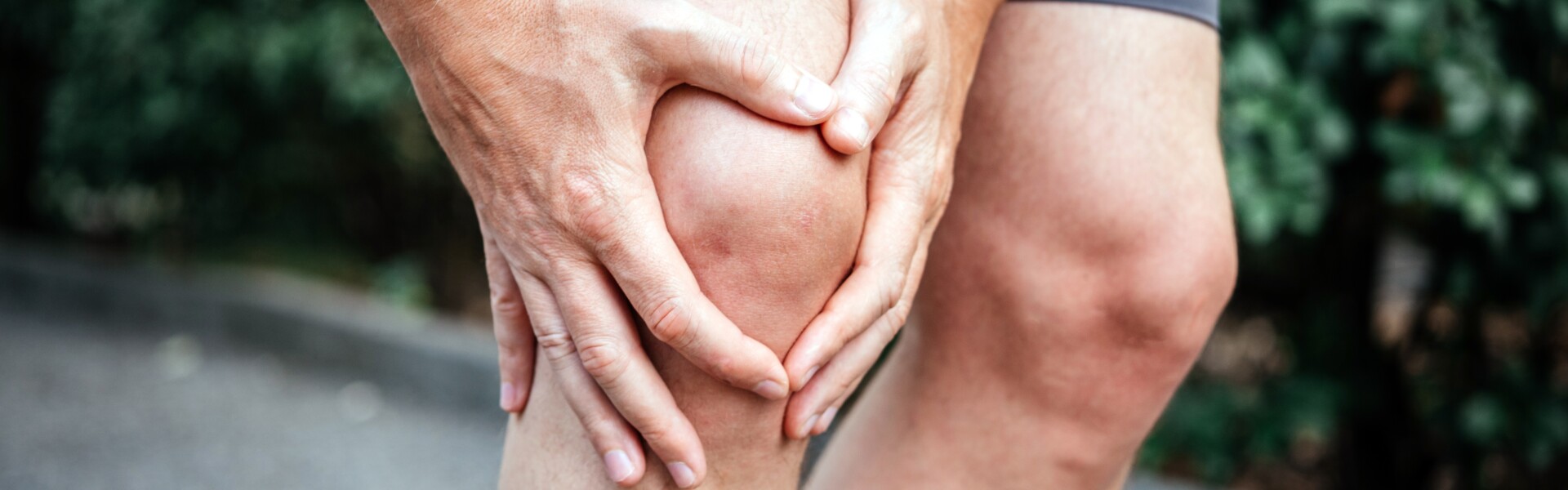
Knee Pain Treatment in Haywards Heath
Knee pain is one of the most common problems we see, and one of the most treatable. Whether it started with a twist on the pitch, crept in on your daily run, or has been slowly stiffening up for years, the first step is the same: an accurate diagnosis. Get that right and the treatment usually follows naturally.
ASSESSMENT | DIAGNOSIS | TREATMENT | RESULTS
Does this sound familiar?
- “My knee swells, clicks or catches”
- “It gave way and hasn’t felt trustworthy since”
- “Stairs, slopes and getting out of the car hurt”
- “I’ve been told it’s wear and tear and to live with it”
- “I just want someone to tell me what’s actually wrong”
Common knee conditions we treat
Knee pain isn’t one condition. It’s a symptom with many possible causes. These are the ones we see most, each with its own dedicated page:
ACL Injury
Twisting or landing injuries with a pop, swelling and instability. Rehab led by Martin Ratcliffe, physiotherapist to the Brighton & Hove Albion Under-23s: pre-op, post-op and non-surgical pathways, through to return-to-sport testing.
Meniscus Tear
Joint-line pain, clicking, catching or locking. Many tears, especially degenerative ones, do well with rehab and never need surgery. We’ll tell you honestly which kind yours is.
Knee Osteoarthritis
Stiffness, pain on stairs and reduced walking distance. Exercise-based treatment is the first-line recommendation, alongside hands-on therapy, acupuncture and Össur unloader bracing.
Runner’s Knee (Patellofemoral Pain)
Pain around or behind the kneecap when running, squatting or sitting too long. Usually a load problem, not damage, and it responds very well to the right rehab.
We also treat patellar tendinopathy (jumper’s knee), ITB-related knee pain, knee bursitis, ligament sprains (MCL/LCL), post-surgical rehab including total knee replacement recovery, and knee pain in children and adolescents. Not sure which applies to you? That’s what the assessment is for.
How we diagnose knee pain
- Detailed history: how it started, what aggravates it, what your knee needs to do for your sport, work and life
- Hands-on clinical testing: ligament, meniscal and patellofemoral tests to locate the source
- Strength and movement assessment: because the “why” often lives in the hip, not the knee
- Honest guidance on imaging: we’ll tell you when an MRI or X-ray is genuinely useful, and when it isn’t
- Onward referral where appropriate: we work alongside local consultants and can refer promptly when a surgical opinion is needed
How we treat it
Treatment depends on the diagnosis, but may include progressive strength rehabilitation, hands-on treatment, medical acupuncture, sports massage, clinical Pilates, bracing advice and a structured return to sport or activity. As a multidisciplinary clinic, our physiotherapists, chiropractors, osteopaths and sports massage therapists work under one roof, so if your knee problem turns out to involve your hip, back or movement patterns, the right person is down the corridor, not across town.
Why choose The Health Hub
- Physiotherapists with specialist knee experience, including elite professional football and post-operative rehab
- Multidisciplinary team: the widest range of tools to diagnose and treat the actual cause
- Honest advice on surgery vs rehab; we have no interest in over-treating you
- Recognised by the major UK private medical insurers: AXA, Aviva, Cigna, Simply Health, Westfield, WPA and BHSF
- Rated 5★ on Google from 250+ patients across Mid Sussex
→ Book your knee assessment, or call 01444 817851
Knee pain treatment near you
We treat patients from:
- Haywards Heath
- Lindfield
- Burgess Hill
- Cuckfield
- Hassocks
- Hurstpierpoint
If you’re searching for “knee pain treatment near me” or “physio for knee pain in Haywards Heath”, you’re in the right place.
Frequently Asked Questions
- How do I know what’s causing my knee pain?
-
Location and behaviour are the clues. Pain around the kneecap points to patellofemoral pain, joint-line pain with clicking suggests the meniscus, instability after a twisting injury raises ACL questions, and gradual stiffness from midlife onwards is often osteoarthritis. A clinical assessment will usually identify the cause without imaging.
- Do I need a scan before coming in?
-
No. Most knee problems can be diagnosed clinically. If imaging would genuinely change your treatment, we’ll say so and guide you on how to arrange it.
- Can knee pain be treated without surgery?
-
Usually, yes. Most knee conditions, including many meniscus tears and most osteoarthritis, respond well to strength-based rehab and load management. Where surgery is the right call, we’ll refer you promptly and rehab you before and after.
- Should I rest my knee or keep moving?
-
In most cases, modified activity beats complete rest. Rest settles symptoms but doesn’t fix the underlying strength or load problem, which is why pain often returns. We’ll show you what’s safe to keep doing.
- Do you treat children and teenagers with knee pain?
-
Yes. Growing knees have their own set of conditions (such as Osgood-Schlatter’s) and we regularly assess and treat younger athletes.